INTRODUCTION
WTF IS A KILOMETER??!?!?!?! 🔥🔥🔥💣💣🦅🦅🦅🦅IN THE LAND OF THE FREEEEEEEEEEEEEEEEE
In a world primarily governed by numerous transcendental factors of human society, where does freedom lie? This is one of the key parts of the analysis of freedom, what it means, and its implications in everyone's day-to-day life.
The questions below provide some scenarios to ponder when thinking about this question, with some answers to serve as (hopefully) insights.
"To know how to free oneself is nothing; the arduous thing is to know what to do with one's freedom."
a. Doing Evil Knowingly?
Does anyone choose to do evil knowingly? Or are our choices made because we believe they are good for us? Explain your answer in relation to freedom and determinism.
Hello po Ma'am Zosa, have you watched Black Mirror? AHHAHAHA feel ko gustong gusto mo yung show na yan, so I will be using an episode from Black Mirror to explain my answer!
Bandersnatch, the special interactive episode of Netflix's Black Mirror is a prime source of discourse for free will and determinism. Bandersnatch basically follows a plot of a young man struggling with mental health as he tries to keep up with his game design career, but the plot twist? You control the actions of the main character.
Instead of the main character entertaining you with his decisions, you are able to make decisions for him. Be it the cereal he wants or whether or not he does drugs– the decisions that you make for him have an impact on how the story ends. Some decisions that you make can end up having consequences, or it could reward you. You could end up with a successful career, or someone ends up dying. For some of these decisions, it's very clear which one is good and which one is bad. So if you choose the bad one, edi you're doing evil knowingly, masama kang tao teh. Minsan nakakapressure may time limit eh (capricious freedom XD)
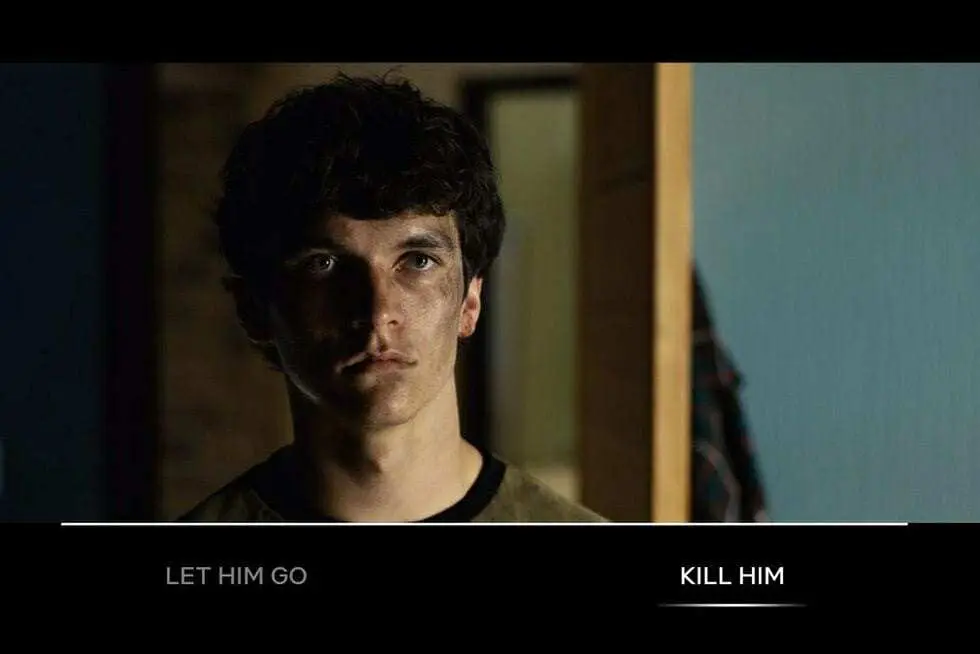
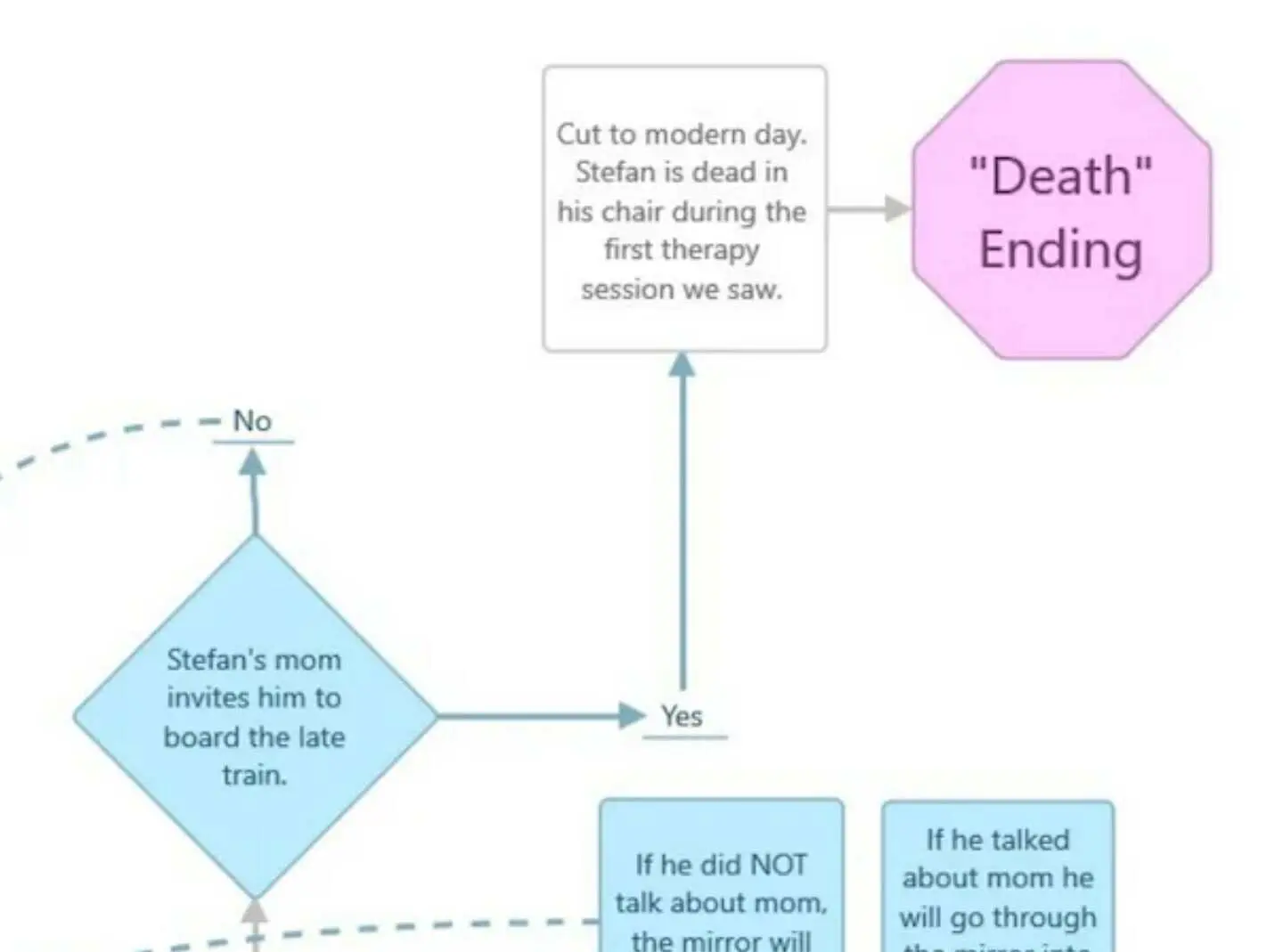
However, some decisions are not clear, you may not be able to see right away that this small decision will lead to something catastrophic. For example, simply choosing to board the train may cause the death of the main character. Paano ko ba yun malaman ?!?! So edi di ko sinadya! masama ba akong tao diyan?! In the end, intention talaga ang determining factor on wheteh
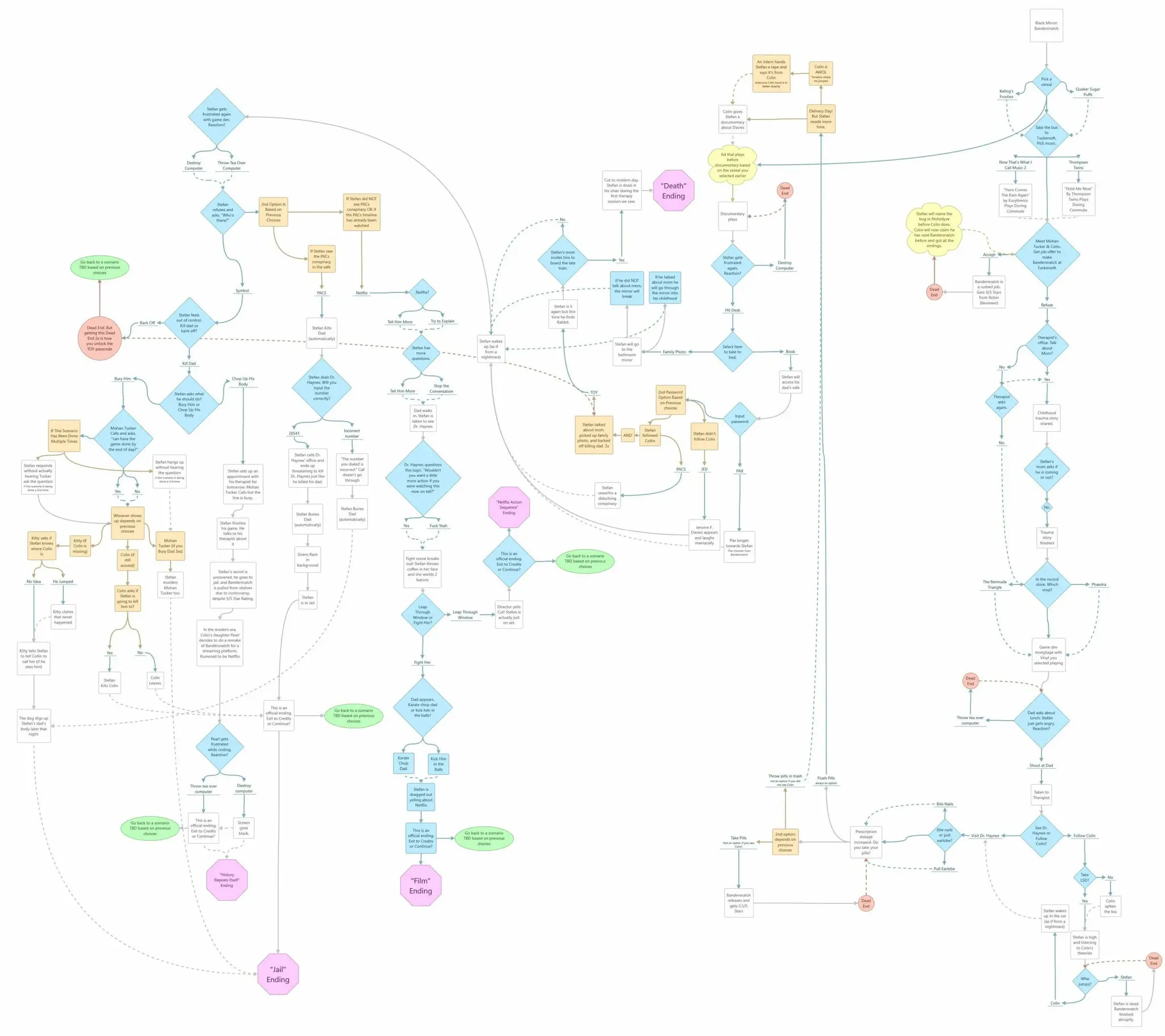
But midway through the episode, the main character starts to realize that he isn't in control and starts to become sentient. This shows na may emotional freedom siya, because naging anxious siya because of that! Pero anyway, even if he has the "illusion" of choice, he actually doesn't. WE are the ones controlling him. This is where determinism enters the chat. Everything is predetermined na. Pero not by us. We don't have control, and in this episode, determinism talaga ang winner dito. No matter what choice we make, we don't actually have free will, because the possibilities are limited to what is predetermined by the programmers of this episode– OA, free pa rin tayo! Sabi kasi ni Jean Paul Sartre "Freedom is what you do with what's been given to you." so tayo ang may mga choices, so meaning may freedom kita! Si main character wala lol
So! Determinism, free will, chu chu kineme wala tayong control bla bla bla, pero sa totoo lang, may pwede tayong gawin: wag na natin isipin ng masyado. HAHAHHA MAY FREE WILL NAMAN TAYO MAGPAHINGA NA TAYO PLS SO Hayan na ang end ng ating movie review, hope you enjoyed, like and subscribe para sa ating next episode! Byee ^0^
b. Religious Beliefs and Accountability
Assume that you believed your whole life, because of a religion that you subscribe to, that same-sex relations are immoral and should not be acted upon. One of your friends suddenly comes out. You then tell that friend that they should not act on their desires. Your friend cries and breaks down. Are you truly accountable for your friend's reaction when you thought same-sex relations were immoral your whole life? If yes, how? If not, why? Relate your answer to freedom and determinism.
POV: One of your friends suddenly comes out...
Friend: *crying*
Friend: ba't kasi ganun sagot mo HUHUHU *umiiyak*
Y/N: hindi naman mali sagot ko, [insert friend name here]
Friend: HINDI TAMA NA KUNIN MO YUNG HOLY WATER PARA "ILABAS ANG MGA DEMONYO SA PAGIGING BAKLA KO" ????????
Y/N: Ih, kasi bawal nga sa church…
Friend: Pero napakabastos naman ng sagot mo!
Friend: Hindi ka pa hihingi ng tawad?
Y/N: dapat accountable pa ba ako diyan… ? Akala ko kasi bawal talaga 'yan teh huhu. That's how I was raised eh, all my upbringing, values, and beliefs made it predetermined for me to do that!
Friend: Accountable ka pa rin dapat! You had the freedom to decide how to say it, what to say it, and what to do? Sino ba magiging masaya na basa na buhok ko sa holy water??
Y/N: Eh, pasensya na [insert friend name here], good naman kasi intentions ko, hindi ko gusto na nasa impiyerno kasi mahal kita…
Friend: Aww, gets naman friend, mahal din kita.
Friend: Gets din naman na ganyan upbringing mo teh, pero dapat may accountability ka pa rin sa paghandle mo sa mga beliefs na yan.
Y/N: Ahay, i'll try to be manage myself better teh!
Y/N: Thank you for being such a good friend.
Friend: Yay!
Y/N: Yay!
c. Addressing Free Will vs Determinism
What is your way of addressing the debate between free will and determinism? Explain your answer.
Ugh, palagi nalang nagiging kalaban si Free Will at determinism, pero sa totoo lang? Mag-asawa sila. Nag-destination wedding sila. Nag-honeymoon pa nga. At may anak na sila! Let me introduce you to their eldest child: Compatibilism. (Nickname niya lang yan, yung full government name niya ay Soft Determinism, ginamit lang kapag galit si Free Will sakanya.)
Si Compatibilism, kamukha niya yung tatay niya (Determinism) pero may puso siya gaya ng mama niya (Free Will). Sabi kasi nila masyadong stricy yung tatay niya, buti nalang di siya gumaya sakanya. Yung tatay niya kasi palagi niyang sinasabi "Okay nak, kunin ko yung iPad mo, pero dahil caused na lahat ng events, di mo ako masisi." o parang "Ih, okay lang naman na racist kaibigan mo, ganyan lang talaga sa lugar nila at sa upbringing niya." which is medyo…. questionable parenting tactics. Tapos yung nanay naman niya, medyo… magulo rin pero her heart is in the right place! Minsan sasabihin niya kay compatibilism na "Nak gusto mo magpa-Enchanted Kingdom?" pero may klase siya sa araw niya. Napaka-random niya minsan.
Kaya si compatibilism, he's a perfect anak. Parang he learned from his parents mistakes but also took on some of their good qualities. Kung may gusto siya, gawin niya, pero within reason. Pero if ever may ginawa siyang mali, he's willing to take responsibility and learn from it naman. May mga bagay naman na outside of his control, pero kayang kaya pa rin.
Meron din kulit na Tito si compatibilism (si indeterminism), at may mga cousins pa yan (rational freedom, political freedom, social freedom, nakalimutan ko na ung iba andami nila abroad pa ung isa) pero hindi na natin sila ididiscuss ngayon, sa next nalang na family reunion…so wag na wag mo isipin na magkalaban si free will at determinism! Ang cute nila kaya!
d. Filipino Views on Freedom
Do you think Filipinos side more with libertarianism, determinism, or some other view on freedom mentioned in this topic? Explain your answer. Cite specific local sources or examples to back up your claim.
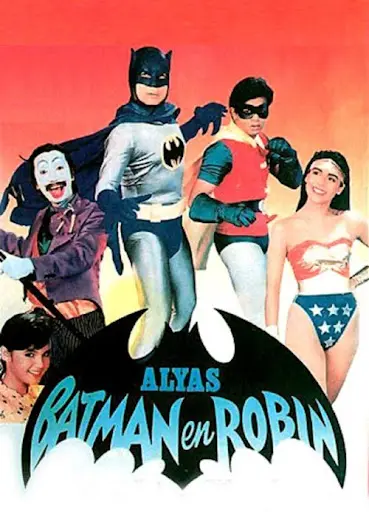
What do Filipinos and Gothamites have in common? They both depend on Batman.
While for Gothamites this may be taken literally, for Filipinos it's our hilarious yet deep cultural confession: "Bahala na si Batman/Diyos/Boss/O kaya si Lord na bahala sa deadline mo." This iconic line is not a shrug of surrender, but an accidental philosophical masterpiece that aligns perfectly with Compatibilism (Soft Determinism). We acknowledge na may Determinism—walangya, may structural constraints (widespread poverty, inflation, 'yung traffic sa EDSA, si corrupt politician)—na naglilimit sa ating buhay.
But here's the plot twist: We still have Free Will—our agency to choose how to respond. As one study explains, "bahala na" is the Pinoy way of saying, "I accept the external forces, pero may diskarte pa rin ako" (Lopez, 2025). This is why a Filipino will accept God's providence, then still pray for a very specific lottery number (Agency within Determinism!). Or, in economics, we recognize global crisis, pero sige lang, side hustle is life! Basta't may choice na kumayod, go lang. At sa pulitika, kahit alam nating parang teleserye na laging nandiyan ang masamang kontrabida (corruption), we still choose to stand in line, vote, or even mag-"Rally na tayo!" This proves that "bahala na" is not passive resignation, but a culturally ingrained Soft Determinism—a practical harmony between accepting the chaos of the universe and still making woke choices. In the end, ang freedom natin ay nasa desisyon: Sige, bahala na si Lord, pero mag-uumpisa na akong mag-diet bukas. Promise!
References:
Casuga, Shelly M., Eric B. Vogel, and Alison Pope-Rhodius. "A Qualitative Content Analysis of the Bahala Na Attitude in Filipino Elite Athletes." International Journal of Sport Psychology, vol. 48, no. 5, 2017, pp. 419–434.
Lopez, Bobby. "Bahala Na Si Bathala: Isang Pagsusuri Ng Mga Nabuong Diskurso at Pagpapakahulugan Sa Konseptong 'Bahala Na.'" International Journal on Culture History and Religion, vol. 7, no. 1, June 2025, pp. 357–72.