INTRODUCTION
The epistemological journey, or the search for truth, is arguably, to this day, still one of the areas of philosophy that is shrouded in the most mystery. This is due to how much of the world we still don't know, and the differing truths of every individual, and in some cases, both factors come into play at the same time.
Through the study of epistemology, we lay the foundation for critical thinking, major guidance for research and science, and tools to address modern challenges by rigorously examining what knowledge is, how it is acquired, and what justifies our beliefs, thereby directly illuminating some of the hidden truths of our world.
Thus, the questions below (with a little/lotta bit of memes…) and the answers provided to them aim to help this cause by providing practical situations of how truth can be perceived, and what we can do to further the objectives of epistemology and the ultimate (ultimate?!) truth.
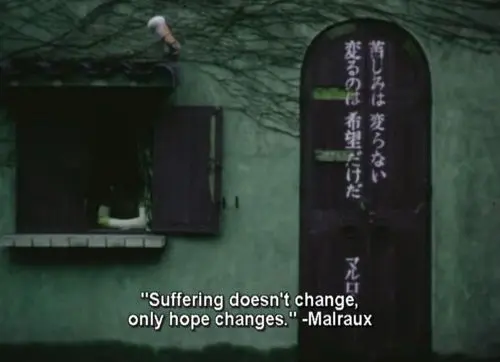
"We look not at the things which are what you would call seen, but at the things which are not seen. For the things which are seen are temporal. But the things that are not seen are eternal."
a. Mary the Love Expert
Take this case study: Mary is a love expert who consistently gives the best advice for relationships which everyone thinks is always right. However, she has never been in one. Do you think she knows anything about relationships at all? Why or why not?
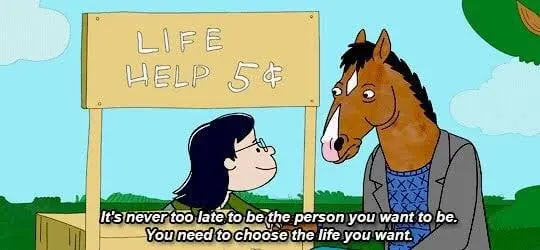
We're no strangers to love. You know the rules and so do I.
Mary has the ability to know about relationships despite never being in one. Yeah, sure, maybe she would have better credibility if she was ever in one, but according to Kant's transcendental idealism and his concept of the synthetic a priori, not all knowledge that can be validated by experience is dependent on experience.
Mary can possess a set of principles—moral, logical, practical, aesthetic—to help in forming and sustaining a relationship, despite the fact that her principles have never been tested. Kant did not believe that synthetic knowledge solely comes from experience (like how Hume would go around this question), but also with reasoning.
Such conceptualization might not be able to encapsulate the being-in-itself of love, but Kant knows this. As he asserts, what we can know is only the phenomenal world, a world of appearances, not the noumenal, the world of things-in-themselves. As much as lovers like saying that they have "found" love, love-in-itself is elusive as an object of knowledge.
While Kant also said that "experience without theory is blind, and theory without experience is mere intellectual play", Mary still does not fit this description of being someone who has completely zero empirical knowledge about relationships. She deliberately goes out into the world and tests her knowledge through interacting with people. Every time someone asks Mary for advice, to some extent, she gathers more experience and does not remain a static source of advice, someone who Kant would regard as an intellectual role-player. Her knowledge as a love expert is actively nurtured by the people who judge her advice—which in this case are mostly positive judgements.
TLDR: COACHES DON'T PLAYYYY
b. Misinformation and Fake News
In a world of misinformation and fake news, can you tell what is true apart from what is false? If so, how? If not, is there still such a thing as the truth – why or why not? You may refer to the various theories of truth.
Lies have existed long before mass media.
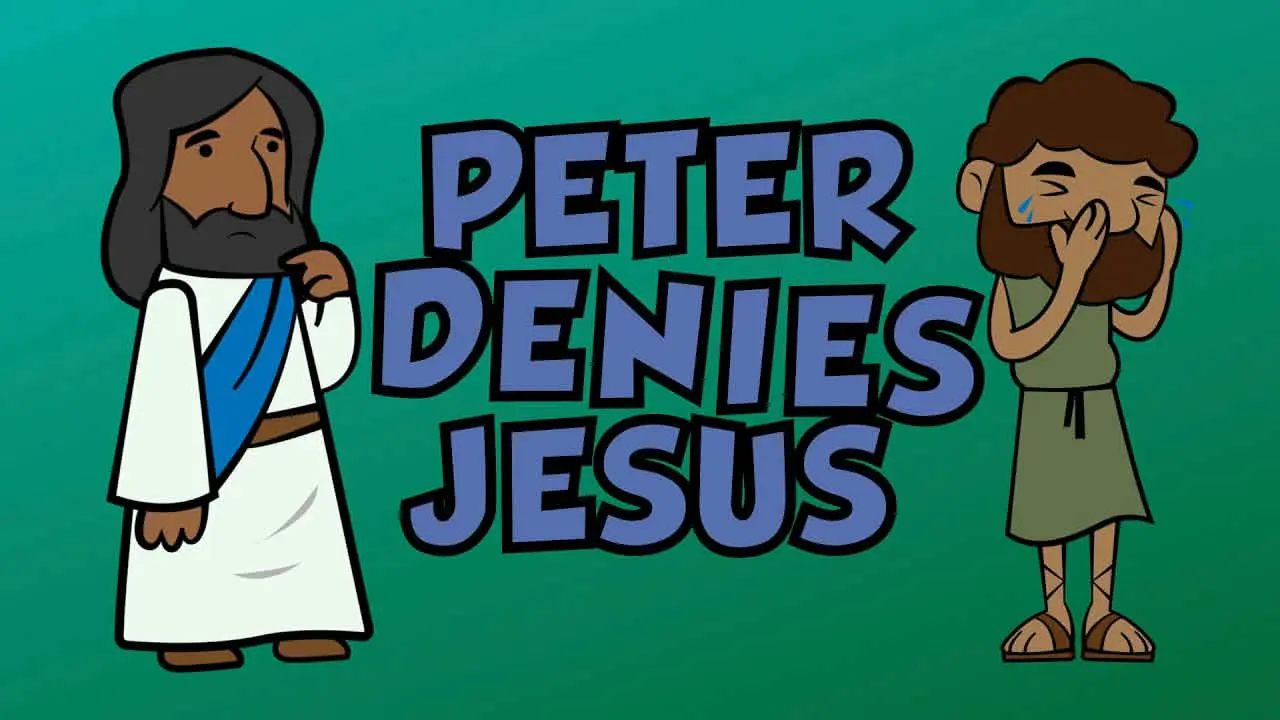
Even when these white lies and evil lies existed in humanity's peripherals, they still decided to keep moving forward, developing frameworks to achieve the "truth" like logic, mathematics and science, even now. We can judge the truth of a statement with confidence, but through assumptions about what truth should look like. The mere premise of this question that "misinformation" and "fake news" exist as distinguishable concepts of society makes it so that logically, only through reasoning and the structures that aid reasoning do we pick out these lies. Thus, we would be able to tell what is true and false. Unfortunately, our visions of the truth are not rooted in the absolute truth by God or something, but simply our faculties of reason—something subjective. Only in the situation where we cannot discern what "misinformation" and "fake news" mean does the distinction between true and false fall apart. The singularity of truth—an absolute certainty about the truth and falsehood of statements, going against doubt at the root of rationalism—is a recipe for totalitarianism.
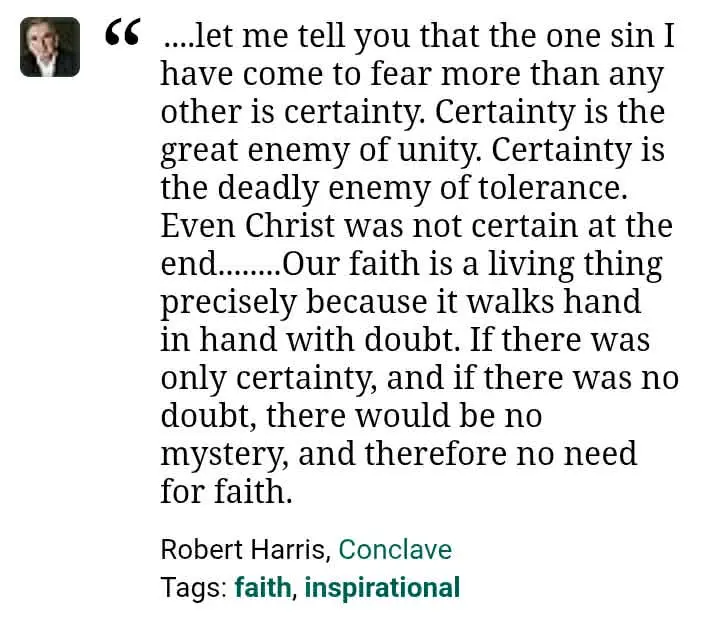
Correspondence theory of truth seems to be the go-to framework to capture the concept of truth, although that would not imply that the truth derived from it would be incoherent and impractical. Unfortunately, correspondence theory is almost circular, only mediated by the framework in which a fact is deemed to be true. Such frameworks most of the time are optimized to be practical, which is a highly flexible category (which kind of makes it unclear what it actually refers to) and if you think about it, must be coherent, to be actually convenient and useful. In a world of misinformation where we realize that not everybody cares that deeply about their own logical structures, the multiplicity of truth becomes clearer.
c. Should We Search and Fight for the Truth?
If everyone has their own truths, should we still search and fight for the truth? Explain your answer.
As with David Hume's is-ought problem, the subjectivity of truth in itself does not immediately suggest anything about whether we should search and fight for the truth. The duty (or the lack thereof) of the individual or the society to search and fight for the truth is not the concern of epistemology, but ethics. However, the "truth" is something that is not engaged with in complete isolation in this day and age where knowledge is capital and a tool in politics, for better or for worse. Truth is not anymore purely metaphysical, but manifests itself through power. "Knowledge is power," as postmodernists might say. Engaging with knowledge for its own sake only risks trivializing the power-relations ingrained in the domination of certain epistemic frameworks, which is another problem.
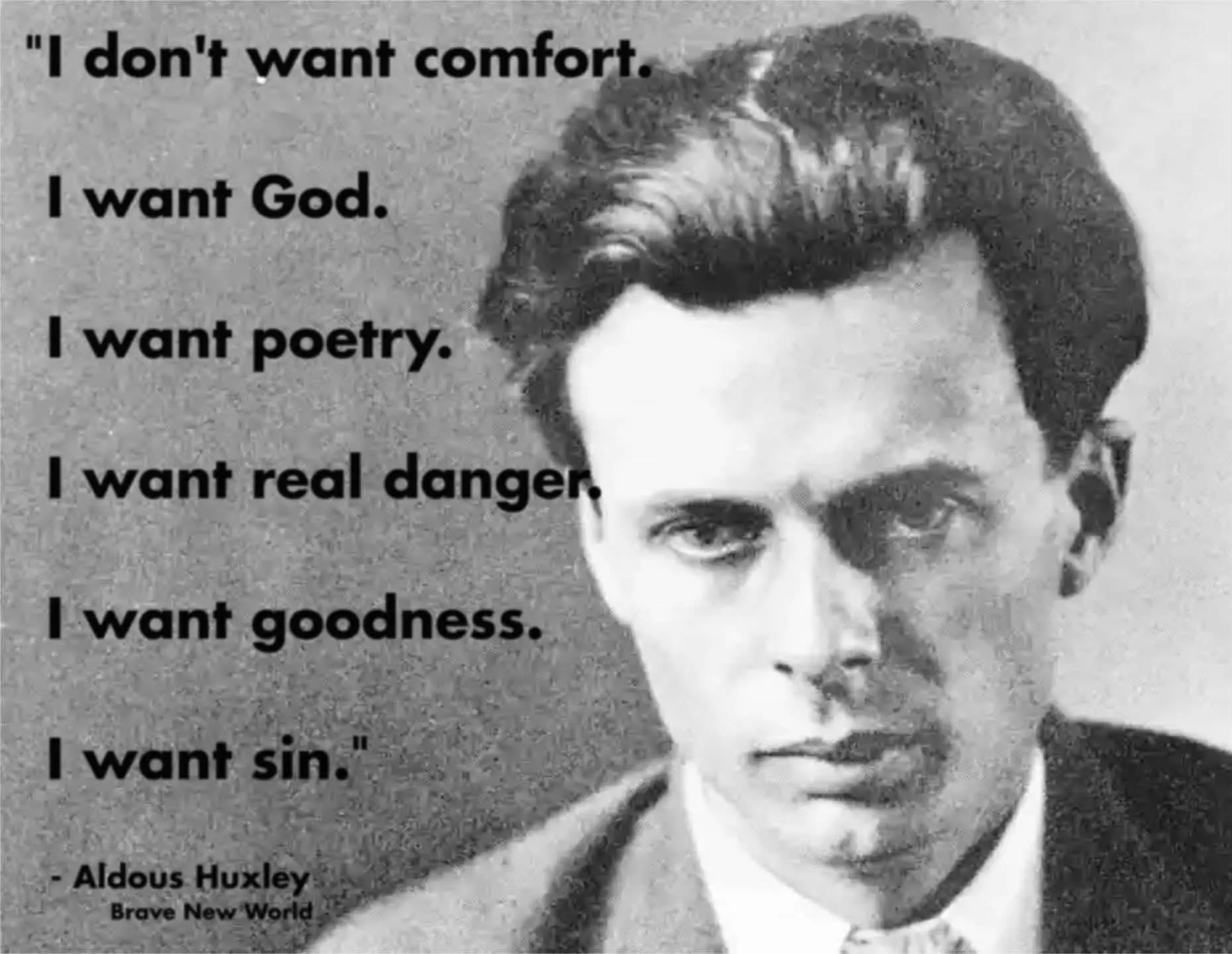
The subjectivity and the multiplicity of truth in this day and age is not something to be interpreted as the downfall of its potency or in other words, a step towards nihilism. Instead, it should be noted that the fact that a truth asserts itself as "truth" says a lot about its potency already, both for the oppressor and the oppressed in the political system. Instead of becoming nihilistic as Nietzsche has warned, people still engage in online discourse, rally in the streets, pick up weapons, precisely because they believe in something, while their oppressors believe something else. If anything, this difference in truths is what makes the people have to fight for the truth. We should have the capacity to fight for the truth and if anything, its subjectivity is not the thing that is going to prevent us from doing so. Unfortunately, oppression does not inherently cause the oppressed to fight back as the oppressed are free to do nothing, either strategically or because they are simply pacified. We are condemned to be free, to be able to believe in truths we do not even want to struggle for.
Filipino Context
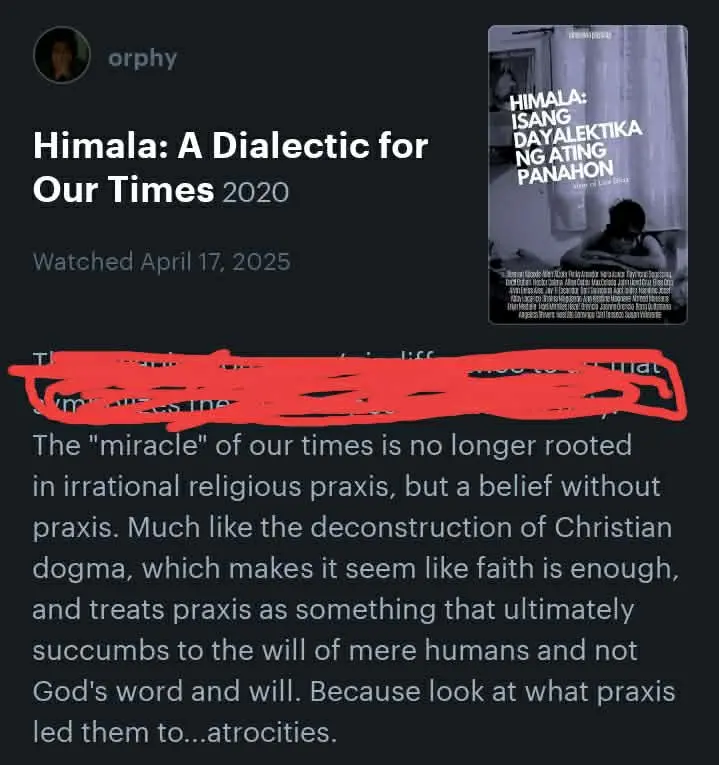
Ang diskusyon sa The Search for Truth (Epistemology) ay sobrang relevant sa Pinas dahil we are all living in a teleserye of fake news. Sa isang bansa na binansagang "patient zero" ng global disinformation, ang pag-aaral ng truth theories—like Correspondence (Tugma ba sa fact?) at Rationality (May good reason ba?)—ang nagsisilbing "Detective Conan toolkit" natin. Every day, we face massive propaganda, historical revisionism (hello, Tallano Gold myth!), and emotionally agitating posts designed to make us choose the comfortable lie (Pragmatism gone wrong) over the inconvenient truth.
So, when you see a viral post that's screaming at you or making you too angry, your philosophical duty is to pause, put on your skeptic hat, and ask: "Nasaan ang resibo?" Whether it's checking with Tsek.ph or demanding justification over ad hominem attacks, this is how we stop being the victim of the narrative and start being the one who writes it. In short: Ang truth ay hindi 'yung mas sikat; ang truth ay 'yung may evidence, mga accla!